 English
 中文简体
中文简体Industry News

Electric bikes have become a regular part of city commuting. Riders now care less about top speed and more about how long a battery lasts before needing replacement. A lithium iron phosphate ebike battery uses LiFePO4 chemistry. That is different from the cobalt-based cells found in many standard ebike batteries. This structure runs cooler and handles more charge cycles before wearing out.
For someone who rides five days a week, that difference matters. A lithium iron phosphate ebike battery may not be the lightest option, but it keeps delivering usable range month after month. Many suppliers now offer 36V and 48V packs that fit regular commuter bikes. Urban riders can adopt this technology without changing their bike setup.
Daily riding puts steady stress on any battery. You charge overnight, ride through traffic, and maybe top up again at work. Summer heat and winter cold both take a toll. A lithium iron phosphate ebike battery handles these conditions better because the chemistry resists heat damage.
Safety is another reason commuters make the switch. People who live in apartments often charge their bikes indoors. A lithium iron phosphate ebike battery is chemically more stable during charging. That lowers the risk of overheating compared to some other lithium types.
Delivery riders also benefit. They charge multiple times per day and cover long distances. A lithium iron phosphate ebike battery can go through thousands of cycles before losing significant capacity. That means fewer replacements and less downtime.
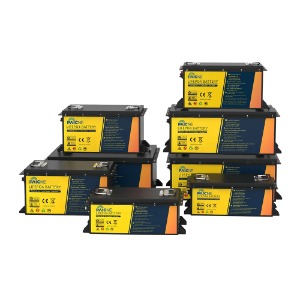
Manufacturer range claims rarely match real life. Stop signs, hills, rider weight, and headwinds all cut into range. A lithium iron phosphate ebike battery does not magically extend range, but it delivers power more consistently under varying loads.
Riders who travel long distances each week often notice that this battery type holds up better. Hot weather does not drain it as fast. Frequent partial charging does not confuse the battery management system. For someone who rides the same route every day, a lithium iron phosphate ebike battery offers predictability.
Common situations where this battery works well include:
| Feature | Standard Lithium-Ion | Lithium Iron Phosphate (LFP) |
| Cycle Life | 500–800 cycles | 2,000+ cycles |
| Heat Tolerance | Moderate | Strong |
| Weight | Lighter | Slightly heavier |
| Long-Term Durability | Average | Better |
| Charging Stability | Moderate | More consistent |
The choice comes down to priorities. A lithium iron phosphate ebike battery adds a little weight but lasts two to three times longer.
Not every battery labeled LiFePO4 is built the same. Before spending money, look for a few key things.
A poorly fitted battery can shake loose or damage your bike's mounts. Also, ask the supplier about the real tested capacity, not just the label number. Some cheap packs use recycled cells from old battery packs.
Many people only look at the upfront price. That can be a mistake. A cheap battery that fails after 500 cycles costs more in the long run than a lithium iron phosphate ebike battery that lasts for thousands of rides.
Let us do simple math. Suppose you commute 20 kilometers each day. A standard battery might last 600 cycles. That gives you roughly two years of riding before replacement. A lithium iron phosphate ebike battery rated for 2,000 cycles could last six or seven years. Even if the LiFePO4 pack costs double upfront, you still save money over time.
This makes sense for:
Fewer replacements also means less hassle. You are not shopping for a new battery every other year or worrying about sudden range loss halfway through your ride.
A lithium iron phosphate ebike battery is not for everyone. If you need the absolute lightest setup for carrying your bike up stairs, standard lithium might still make sense. But for riders who value durability and long-term savings, the trade-off is worth it.
The real strength of LiFePO4 is everyday reliability. It charges safely indoors. It survives hot summer pavement. It keeps delivering usable range year after year. For anyone who depends on their ebike for work or daily errands, a lithium iron phosphate ebike battery helps lower the real cost of electric transportation over time.
Get to know quickly
We are a professional lithium iron phosphate battery, solar energy storage system, industrial and commercial energy storage system manufacturer.
 +86-133 3592 3377
 +86-4008833583
 Email: [email protected]

Copyright © Zhejiang Paichen Energy Storage Group Co., Ltd All Rights Reserved.

Battery Energy System Manufacturer