 English
 中文简体
中文简体Industry News

A few years ago, many homeowners added solar panels mainly to lower their monthly electricity bills. Today, the conversation is different. More families want power available after sunset and during unexpected outages. That shift explains why battery storage for residential solar is becoming part of more home energy systems.
The process itself is straightforward. Solar panels generate electricity during the day, and any unused energy charges the battery instead of flowing back to the utility grid. Later in the evening, the stored electricity can run household devices such as lights, refrigerators, Wi-Fi equipment, and televisions.
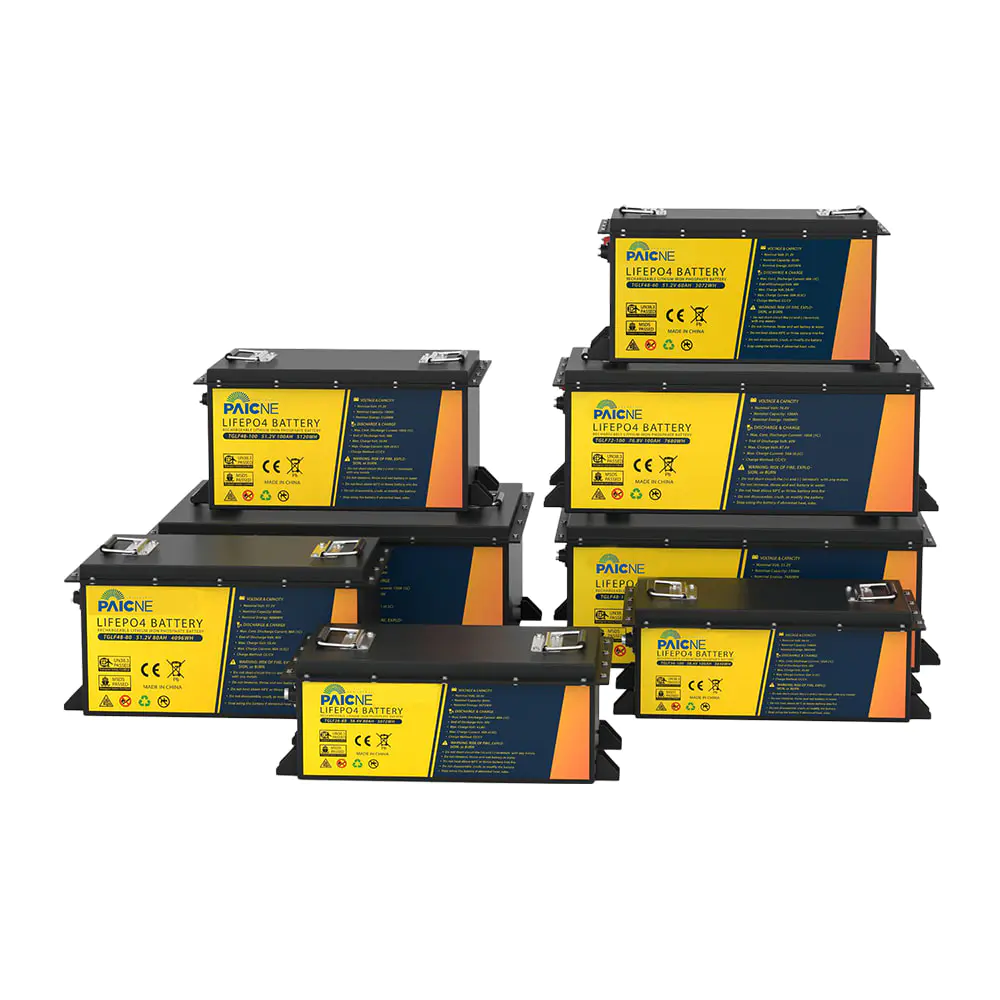
Many residential systems now use lithium iron phosphate batteries because they handle repeated charging well and generally require less maintenance over time. Paichen and similar suppliers offer several formats, including wall-mounted and stackable designs for different home layouts.
Solar production and household energy use rarely happen at the same time. Panels usually produce higher output around midday, while many families use many electricity after returning home in the evening.
Without battery storage for residential solar, excess daytime generation is often exported to the grid at relatively low compensation rates. Later, homeowners purchase electricity back at a much higher price.
That gap has made storage more attractive in recent years.
Time-of-use utility pricing is expanding in many regions
Extreme weather has increased outage concerns
Some utilities now offer lower net metering credits
Homeowners want more control over electricity costs
For people searching for better battery storage for residential solar with outage protection, backup capability is often just as important as bill savings.
One detail surprises many first-time solar buyers: standard rooftop solar systems usually stop working during blackouts. This happens because grid-tied systems are designed to shut down for safety reasons.
A home with battery storage for residential solar works differently. During an outage, the inverter separates the home from the utility network and begins drawing electricity from the battery instead.
In practical terms, that means homeowners can still operate important devices like:
If sunny weather returns the next day, the panels recharge the battery and continue supporting the home.
The appeal of battery storage for residential solar becomes easier to understand when looking at a normal day.
|
Time of Day |
What Happens |
|
Morning |
Solar panels begin supplying household electricity |
|
Midday |
Extra solar power charges the battery |
|
Afternoon |
Battery approaches full capacity |
|
Evening |
Stored electricity powers the home |
|
Overnight |
Battery supports smaller continuous loads |
Many systems handle these changes automatically, so homeowners rarely need to adjust anything manually.
The differences between the two setups become noticeable over time.
|
Feature |
Solar Only |
Solar + Storage |
|
Evening electricity source |
Utility grid |
Stored solar energy |
|
Backup during outages |
No |
Yes |
|
Dependence on utility rates |
Higher |
Lower |
|
Use of self-generated solar power |
Moderate |
Higher |
|
Initial installation cost |
Lower |
Higher |
For homeowners researching battery storage for a residential solar vs grid-only comparison, the decision usually depends on local electricity pricing and outage frequency.
Before choosing battery storage for residential solar, homeowners should look beyond marketing claims and compare a few technical details carefully.
Homeowners searching for what size battery storage for residential solar do I need should think about future electricity use, not only current consumption.
The upfront cost of battery storage for residential solar is still significant, but many buyers now view it as a longer-term energy investment rather than a short-term purchase.
Federal incentives in the United States, along with regional rebates in some markets, can reduce installation costs. Meanwhile, utility prices in many areas continue climbing year after year.
That is one reason searches for how much does battery storage for residential solar cost remain high across residential energy markets.
For many households, battery storage for residential solar has moved beyond being a niche technology. It now plays a practical role in managing electricity costs, improving backup power, and increasing the value of rooftop solar systems.
As utility pricing changes and outages become more common in some regions, more homeowners are deciding that storing their own solar energy makes everyday sense.
Get to know quickly
We are a professional lithium iron phosphate battery, solar energy storage system, industrial and commercial energy storage system manufacturer.
 +86-133 3592 3377
 +86-4008833583
 Email: [email protected]

Copyright © Zhejiang Paichen Energy Storage Group Co., Ltd All Rights Reserved.

Battery Energy System Manufacturer