 English
 中文简体
中文简体Industry News

Commercial and industrial energy storage is appearing in more factory and building projects where electricity use is not stable throughout the day. In early planning discussions, commercial and industrial energy storage is often not the system to be mentioned. It usually comes up after engineers look at real load behavior instead of only design expectations.
In some site visits, commercial and industrial energy storage is discussed when operators notice that peak demand does not stay at one level. The pattern is not always obvious during normal operation, but it becomes clearer when monitoring data is checked over time.
In many working environments, commercial and industrial energy storage is considered when electricity use rises and falls during different production stages. Machines may start at different times, some processes pause, and auxiliary equipment continues running in the background.
Because of this, commercial and industrial energy storage is usually linked with load shifting behavior rather than only storage capacity. The discussion is often about how quickly the system responds when demand increases instead of how much energy it can store.
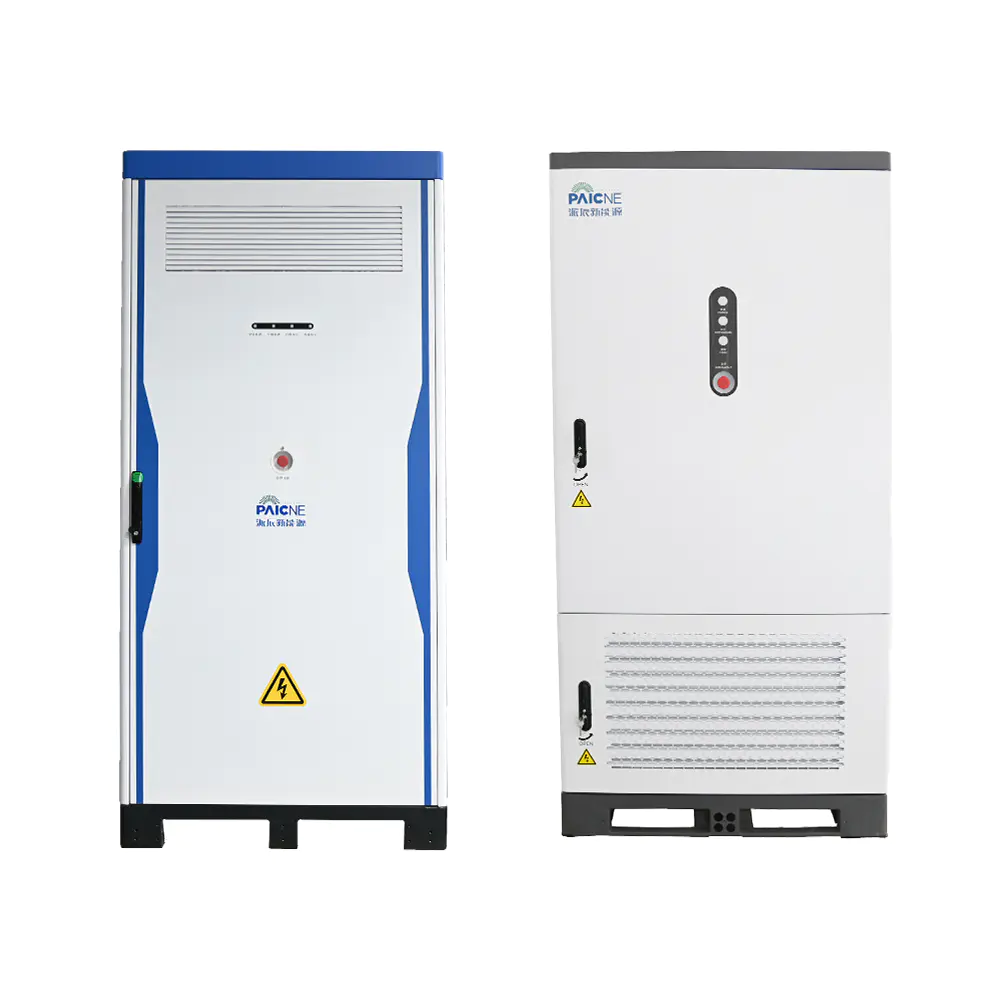
Different facilities treat commercial and industrial energy storage in slightly different ways. In some locations, it is mainly used during peak tariff periods. In others it is more active when load fluctuations are frequent or when power stability needs extra support.
During operation, commercial and industrial energy storage may not run in a fixed pattern every day. It reacts based on how the site is actually being used rather than following a strict schedule set at the beginning.
When commercial and industrial energy storage is connected to existing electrical systems, it works alongside distribution equipment, protection devices, and monitoring platforms. The stage of installation is only part of the process.
After the system starts running, commercial and industrial energy storage behavior is often checked against real load response. If timing or coordination is slightly different from expectation, adjustments are usually made through control settings instead of hardware changes.
However, when commercial and industrial energy storage has been running for a while, the logs usually start to show small changes in charge and discharge timing. In some sites it shifts slightly earlier in the day, in others it spreads more across peak periods. It tends to follow how production actually moves rather than staying on a fixed schedule.
After several weeks or months, commercial and industrial energy storage is no longer looked at as a separate unit in daily checks. It shows up in monitoring screens as part of the overall load curve, together with production equipment and distribution behavior.
When engineers go back to review earlier records, commercial and industrial energy storage is usually discussed together with how the site was operating at that time, including seasonal changes, equipment additions, or small adjustments in running hours. The focus is often on what changed in the environment rather than treating the system as an isolated installation.
Get to know quickly
We are a professional lithium iron phosphate battery, solar energy storage system, industrial and commercial energy storage system manufacturer.
 +86-133 3592 3377
 +86-4008833583
 Email: [email protected]

Copyright © Zhejiang Paichen Energy Storage Group Co., Ltd All Rights Reserved.

Battery Energy System Manufacturer