 English
 中文简体
中文简体Industry News

Wall Mounted Battery systems have gained significant attention in residential and commercial energy storage due to their compact and efficient design. Unlike traditional floor-standing or ground-mounted batteries, these units utilize vertical wall space, allowing homeowners and facility managers to optimize areas that would otherwise remain unused. This design philosophy not only improves usable space but also integrates seamlessly into existing interior layouts, providing both practical and aesthetic benefits.
One of the obvious advantages of a Wall Mounted Battery is its use of vertical surfaces. In homes, garages, basements, or utility rooms where floor space is often limited, elevating the battery onto a wall frees up valuable ground area for other uses. This vertical installation enables the placement of additional equipment, storage units, or walkways that would otherwise be restricted by a bulky ground-mounted system. By leveraging wall space, users can maintain an organized environment while still incorporating high-capacity energy storage.
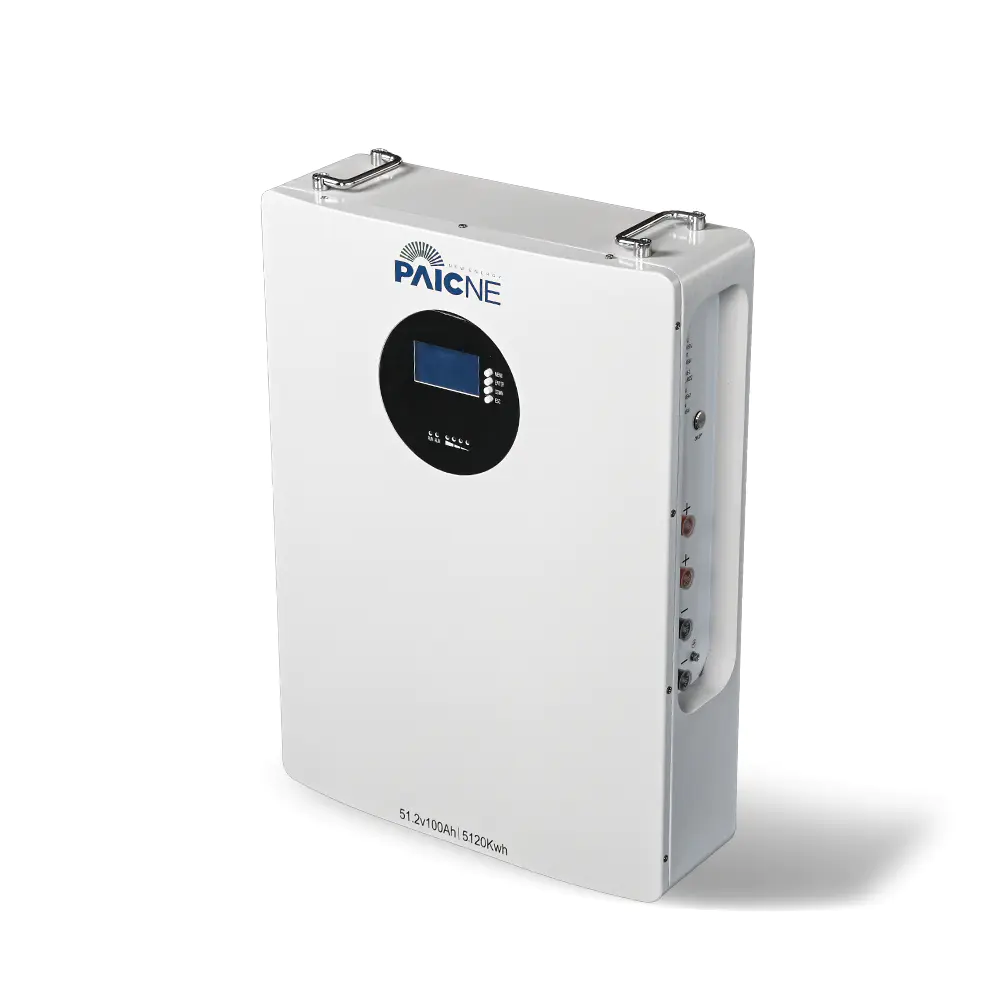
The wall-mounted approach also provides greater flexibility in positioning. Unlike floor-based systems that must be placed on sturdy, level surfaces, wall-mounted units can be installed near power outlets, close to solar inverters, or in areas that are easier to monitor and maintain. This flexibility allows designers to make better use of awkward or otherwise unusable spaces, such as narrow corridors or corners, which are unsuitable for larger ground-mounted batteries. As a result, energy storage solutions can be implemented in a wider range of building types and configurations.
By elevating the battery, wall-mounted designs also improve accessibility for monitoring, maintenance, and system upgrades. Users no longer need to bend down or move heavy units to check indicators, perform firmware updates, or replace components. This ergonomic advantage not only saves time and effort but also enhances safety, as critical adjustments can be made without straining or risking injury. Additionally, wall-mounted units often feature modular designs that allow individual battery modules to be serviced or replaced without disrupting the entire system.
Another space-saving advantage of wall-mounted batteries is their aesthetic integration with living or working spaces. These units are often slimmer and more visually appealing than traditional floor-mounted systems, allowing them to blend with walls, cabinetry, or utility areas without appearing obtrusive. This reduces the need for separate utility rooms or dedicated battery closets, further conserving usable square footage. Homeowners can enjoy the benefits of energy storage without compromising the design and functionality of their interiors.
Elevating the battery also reduces the risk of water damage in areas prone to flooding and keeps the system away from foot traffic, pets, or children. This protective benefit complements the space-saving advantage by ensuring that the stored energy is both secure and accessible. Proper installation, including wall reinforcement and adequate ventilation, ensures that the system operates efficiently while taking full advantage of vertical space.
Wall Mounted Battery designs provide significant space-saving advantages through vertical installation, flexible placement, improved accessibility, and seamless integration with interior layouts. By elevating energy storage units off the ground, homeowners and facility managers can improve usable space, enhance safety, and maintain organized, functional areas. These benefits make wall-mounted energy storage an increasingly popular choice for residential and commercial applications where efficiency, convenience, and design harmony are priorities.
Get to know quickly
We are a professional lithium iron phosphate battery, solar energy storage system, industrial and commercial energy storage system manufacturer.
 +86-133 3592 3377
 +86-4008833583
 Email: [email protected]

Copyright © Zhejiang Paichen Energy Storage Group Co., Ltd All Rights Reserved.

Battery Energy System Manufacturer