 English
 中文简体
中文简体Industry News

Lithium Ion Battery has become one of the widely used power sources for modern electronic devices, including smartphones, laptops, and electric vehicles. Its popularity stems from its high energy density, lightweight design, and relatively long cycle life. However, lithium-ion batteries are not the only rechargeable option available; nickel-metal hydride (NiMH) batteries have been used for decades in various applications. Comparing these two battery types helps users understand their advantages, limitations, and suitability for different purposes.
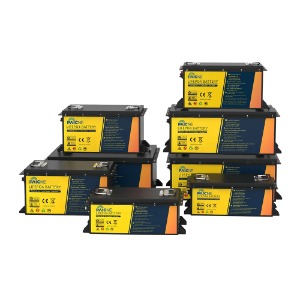
One of the primary advantages of a Lithium-Ion Battery over NiMH is its higher energy density. Lithium-ion batteries can store more energy per unit of weight, making them lighter and more compact. This is particularly important in portable devices, where weight and size directly affect usability. In contrast, NiMH batteries are heavier and bulkier for the same energy capacity, which may limit their use in modern portable electronics. The lightweight nature of lithium-ion technology contributes to longer battery life in mobile applications without adding extra bulk.
Another significant advantage of lithium-ion batteries is the absence of memory effect. NiMH batteries can develop a memory effect if they are repeatedly partially charged and discharged, reducing their effective capacity over time. Lithium-ion batteries do not suffer from this issue, allowing users to recharge them at any time without worrying about reducing performance. This makes lithium-ion batteries more convenient for daily use and eliminates the need for periodic full discharges, which is often necessary for NiMH batteries to maintain a suitable capacity.
In terms of cycle life, lithium-ion batteries generally outperform NiMH batteries. A typical lithium-ion cell can withstand hundreds to over a thousand full charge-discharge cycles before significant capacity loss occurs. NiMH batteries, on the other hand, tend to have a shorter cycle life and may degrade faster if used in high-drain devices. However, NiMH batteries are often more tolerant of overcharging and harsh environmental conditions, making them somewhat more robust in certain high-temperature or rugged applications.
Cost is one area where NiMH batteries have an advantage. They are generally cheaper to manufacture and purchase than lithium-ion batteries. This makes NiMH a cost-effective choice for low-power devices or applications where weight and energy density are less critical. While lithium-ion batteries offer good performance, their higher production costs may be a limiting factor in budget-conscious projects or devices that do not require high energy density.
Safety is a notable consideration in comparing these batteries. Lithium-ion batteries are more sensitive to overcharging, overheating, and physical damage, which can sometimes cause thermal runaway or fire hazards. NiMH batteries are more thermally stable and less prone to catastrophic failure, which can be advantageous in consumer electronics or high-temperature environments. Proper battery management systems and protective circuitry are essential for lithium-ion applications to ensure safe operation.
Recycling and environmental concerns also differ between the two technologies. Lithium-ion batteries contain materials such as lithium, cobalt, and nickel, which require careful recycling procedures. NiMH batteries, while also recyclable, generally have fewer environmentally sensitive materials and can be handled more easily in waste management systems. Consumers and manufacturers must consider these factors when choosing between the two battery types.
A Lithium Ion Battery offers higher energy density, lighter weight, no memory effect, and longer cycle life compared to NiMH batteries, making it ideal for portable electronics and high-performance applications. NiMH batteries, while bulkier and lower in energy density, provide lower cost, better thermal stability, and more tolerance to rough handling. The choice between the two depends on the specific application requirements, including weight, cost, durability, and safety considerations. Understanding the strengths and limitations of each battery type ensures suitable performance and longevity for the intended use.
Get to know quickly
We are a professional lithium iron phosphate battery, solar energy storage system, industrial and commercial energy storage system manufacturer.
 +86-133 3592 3377
 +86-4008833583
 Email: [email protected]

Copyright © Zhejiang Paichen Energy Storage Group Co., Ltd All Rights Reserved.

Battery Energy System Manufacturer