 English
 中文简体
中文简体Industry News

Wall Mounted Battery systems have become increasingly popular in residential and commercial energy storage applications. Unlike traditional floor-standing or ground-mounted storage units, these systems are designed to be installed on walls, offering a unique combination of compactness and accessibility. Understanding the advantages and disadvantages of wall-mounted designs compared to conventional ground-based storage is essential for homeowners, system designers, and energy planners who want to optimize space, cost, and performance in energy storage solutions.
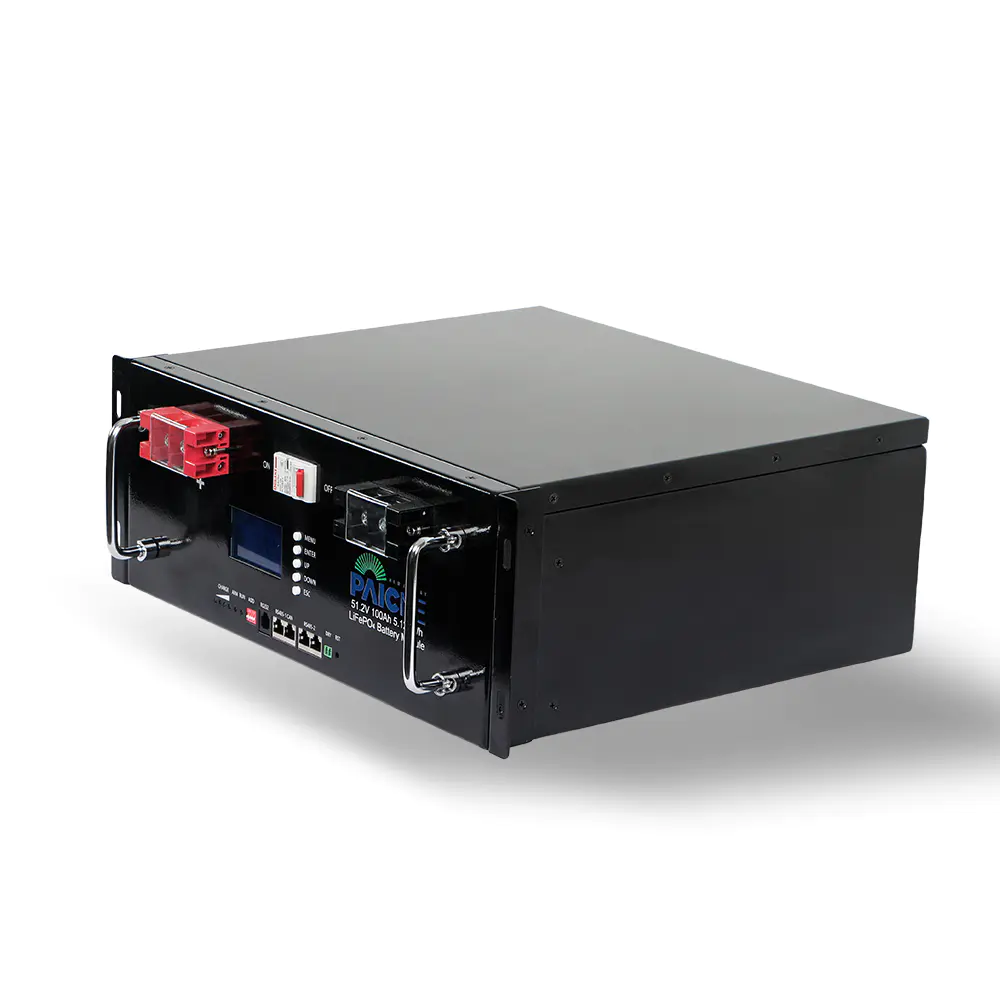
One of the significant advantages of a Wall Mounted Battery is its ability to save floor space. By utilizing vertical wall areas, these systems allow for more efficient use of available room, which is particularly valuable in homes with limited utility areas or garages. Installation flexibility also improves, as these units can be positioned closer to power sources or integrated with other home energy systems. In contrast, ground-mounted batteries require larger footprints and may limit the usable area in basements, garages, or outdoor spaces.
Wall-mounted installations can offer improved safety in certain contexts. Keeping the battery elevated reduces the risk of water damage in flood-prone areas and limits accidental contact, especially in households with children or pets. Maintenance and monitoring are generally easier due to the ergonomic placement at eye or chest height, allowing users to check indicators, perform minor service tasks, or monitor system performance without bending or lifting heavy components. However, installation at elevated positions may complicate the mounting process, requiring professional assistance and ensuring that walls can support the weight.
Ground-mounted batteries often benefit from natural air circulation around the unit, which can assist with passive cooling. Wall-mounted units, depending on the placement, may face more restricted airflow and require careful consideration of thermal management to prevent overheating. Manufacturers usually address this with built-in cooling systems or by recommending adequate spacing from walls and ceilings. For systems with higher power output, ensuring proper ventilation is crucial to maintain efficiency and prolong battery lifespan.
Ground-mounted batteries generally allow easier scalability, as adding extra modules or expanding storage capacity is straightforward due to unrestricted floor space. Wall-mounted units are typically more modular but may face limitations in stacking or expanding vertically beyond the weight-bearing capacity of walls. Users should plan for future energy needs before final installation, as expanding a wall-mounted system may require significant rearrangement or reinforcement of mounting structures.
Wall Mounted Battery systems often come with premium design and materials, which can slightly increase upfront costs compared to standard ground-mounted units. However, the improved space utilization and integration with home interiors can justify this investment for many users. Aesthetically, wall-mounted designs are typically more streamlined and modern, blending with home décor, whereas ground-mounted units may appear bulkier and industrial.
Wall Mounted Battery systems offer notable advantages in space efficiency, accessibility, and integration with home environments, making them appealing for residential installations where floor space is limited. Nevertheless, considerations such as thermal management, weight support, and scalability must be carefully evaluated. Ground-mounted batteries maintain advantages in natural cooling, expansion potential, and sometimes lower initial costs. By weighing these factors, homeowners and energy planners can choose the appropriate configuration to balance performance, safety, and convenience in modern energy storage solutions.
Get to know quickly
We are a professional lithium iron phosphate battery, solar energy storage system, industrial and commercial energy storage system manufacturer.
 +86-133 3592 3377
 +86-4008833583
 Email: [email protected]

Copyright © Zhejiang Paichen Energy Storage Group Co., Ltd All Rights Reserved.

Battery Energy System Manufacturer