 English
 中文简体
中文简体Industry News

A Home Energy Storage System is an essential component for modern residential energy management, storing electricity from renewable sources or the grid for later use. However, bad environmental temperatures—both high and low—can significantly affect the performance, safety, and lifespan of these systems. Understanding how to maintain safe operation under such conditions is crucial for homeowners and system operators.
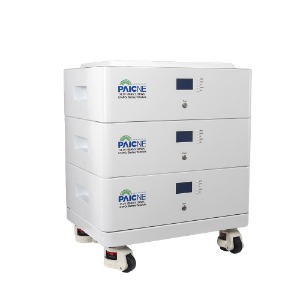
High ambient temperatures accelerate chemical reactions inside battery cells, which can increase internal resistance and generate excessive heat. Prolonged exposure to heat may cause reduced battery capacity, faster degradation of the electrolyte, and, in severe cases, thermal runaway. Thermal runaway is a dangerous condition where heat generation exceeds dissipation, potentially causing fires or explosions. In addition, supporting electronics, such as inverters and control modules, are sensitive to heat, and elevated temperatures can cause malfunctions or permanent damage. Manufacturers set operational temperature limits for a reason: exceeding these limits compromises safety and reliability.
Low temperatures can slow down battery chemical reactions, reducing charging and discharging efficiency. Internal resistance increases, and the battery may fail to deliver sufficient power when needed. Cold conditions can cause the electrolyte to become less conductive or even partially freeze, impairing energy transfer. Repeated operation in cold conditions can also cause mechanical stress on electrodes, potentially shortening battery lifespan. Cold environments may also impact the performance of electronic components, reducing overall system responsiveness.
A well-designed Battery Management System (BMS) is essential for safe operation in bad temperatures. Temperature sensors monitor individual battery cells, allowing the BMS to adjust charging and discharging rates. During high temperatures, the BMS can reduce charge current to limit heat generation. In cold conditions, some systems feature integrated heaters to bring the battery to a suitable operating temperature before charging or discharging. These measures ensure that the Home Energy Storage System operates within safe thermal limits, reducing risks of degradation or accidents.
Physical design also contributes to temperature resilience. Systems for hot climates often include ventilation, heat sinks, or active cooling to dissipate heat. In contrast, cold-weather systems may use insulated enclosures and heating elements to maintain safe operating conditions. Proper placement—avoiding direct sunlight or unheated outdoor areas—also mitigates temperature-related risks. A well-designed enclosure helps maintain both battery health and the safety of the surrounding infrastructure.
Users play an important role in maintaining safe operation. Monitoring system alerts, avoiding rapid high-rate charging during heat waves, and scheduling energy use when temperatures are moderate can prevent stress on the system. Routine inspections and firmware updates also support effective thermal management. Awareness of temperature effects and proactive usage behaviors helps maintain performance, reliability, and safety.
Ensuring safe operation of a Home Energy Storage System in bad temperatures requires a combination of intelligent battery management, robust enclosure design, and careful user practices. High temperatures can accelerate degradation and increase fire risk, while low temperatures reduce efficiency and stress internal components. By employing temperature sensors, thermal management strategies, and proper installation practices, homeowners can ensure reliable, efficient, and safe energy storage performance even under challenging environmental conditions.
Get to know quickly
We are a professional lithium iron phosphate battery, solar energy storage system, industrial and commercial energy storage system manufacturer.
 +86-133 3592 3377
 +86-4008833583
 Email: [email protected]

Copyright © Zhejiang Paichen Energy Storage Group Co., Ltd All Rights Reserved.

Battery Energy System Manufacturer