 English
 中文简体
中文简体Industry News

A Home Energy Storage System plays a pivotal role in residential energy management when paired with solar photovoltaic (PV) systems. By storing excess solar energy generated during the day, households can use electricity during periods of low sunlight or at night. This integration improves self-consumption of renewable energy, reduces reliance on the grid, and enhances energy resilience. Understanding how energy storage coordinates with solar generation is key to improving efficiency and cost savings.
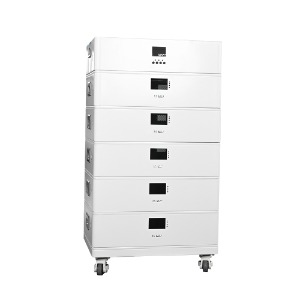
In an integrated system, electricity generated by solar panels can flow in three directions: directly powering household appliances, charging the energy storage system, or being exported to the electrical grid. A smart energy management system continuously monitors solar production, household consumption, and battery charge levels. Surplus solar energy is directed to charge the storage battery, while energy stored in the battery is discharged during periods of high demand or when solar output is insufficient. This dynamic coordination ensures suitable energy usage and reduces wastage.
The Home Energy Storage System must manage charging intelligently to protect battery health and improve efficiency. When solar generation exceeds immediate household needs, the system charges the battery while observing safety limits, such as voltage and temperature thresholds. Advanced Battery Management Systems (BMS) monitor individual cells and balance charging to prevent overcharge or uneven wear, extending battery life. Efficient charging strategies also consider time-of-use electricity pricing, enabling the battery to store grid energy when rates are low.
Discharging the stored energy requires careful coordination with household demand and solar generation patterns. During peak consumption hours or when solar generation is low, the system provides electricity from the battery to supply the home. By intelligently timing discharges, the system improves self-consumption, reduces grid dependence, and reduces energy costs. Predictive algorithms can also estimate solar production based on weather forecasts, adjusting discharging schedules to optimize energy availability and efficiency.
Modern integrated systems offer real-time monitoring through mobile apps or web dashboards. Users can track solar generation, battery status, and household consumption, making informed decisions about energy use. Many systems allow remote adjustments to charging and discharging schedules and integrate with smart home appliances for automated energy management. This level of control ensures that the Home Energy Storage System operates efficiently and safely while responding to changing energy demands.
Integration with solar PV systems provides both economic and environmental advantages. By storing excess solar energy for later use, homeowners can reduce electricity bills and avoid high grid electricity prices during peak hours. Additionally, improving the use of renewable energy reduces carbon emissions and supports sustainable energy consumption. Properly designed integration ensures that the system delivers long-term savings while promoting greener energy practices.
A Home Energy Storage System works synergistically with solar panels to manage, store, and optimize energy use in residential settings. Through intelligent energy flow management, predictive charging and discharging strategies, and real-time monitoring, these systems enhance self-consumption, reduce grid dependence, and improve energy efficiency. Proper integration not only provides financial and environmental benefits but also ensures a reliable, sustainable, and flexible power supply for homeowners. Understanding these principles allows users to make the of renewable energy while maintaining safe and efficient operation.
Get to know quickly
We are a professional lithium iron phosphate battery, solar energy storage system, industrial and commercial energy storage system manufacturer.
 +86-133 3592 3377
 +86-4008833583
 Email: [email protected]

Copyright © Zhejiang Paichen Energy Storage Group Co., Ltd All Rights Reserved.

Battery Energy System Manufacturer