 English
 中文简体
中文简体Industry News
Home / News / Industry News / Advantages and Disadvantages of Different Lithium-Ion Battery Cathodes

Lithium Ion Battery performance is significantly influenced by the choice of cathode material. The two widely used types are Lithium Iron Phosphate (LFP) and Nickel Cobalt Manganese (NCM) cathodes. Each material offers unique advantages and limitations that affect energy density, safety, lifespan, cost, and overall application suitability. Understanding these differences is crucial for selecting the right battery chemistry for specific devices, electric vehicles, or energy storage systems.
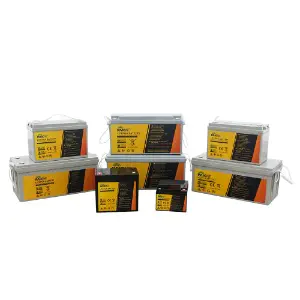
LFP cathodes are known for their good thermal and chemical stability. This stability reduces the risk of overheating and thermal runaway, making LFP batteries inherently safer than many other lithium chemistries. They also exhibit a longer cycle life, often exceeding 3,000 cycles under normal operating conditions. Another advantage is their relatively low cost due to the absence of expensive metals like cobalt and nickel. However, LFP batteries have lower energy density compared to NCM, which means they store less energy per unit weight or volume. This can result in larger and heavier battery packs for the same capacity, limiting their suitability for applications where weight and size are critical.
NCM cathodes, composed of nickel, cobalt, and manganese, are valued for their high energy density. This allows for smaller, lighter battery packs capable of storing more energy, which is especially beneficial for electric vehicles that require long driving ranges without increasing battery size. NCM batteries also provide relatively good power output, supporting high-performance applications. The trade-offs, however, include a higher cost due to the use of cobalt and nickel, as well as lower thermal stability compared to LFP. They are more prone to degradation and safety issues under bad conditions, requiring sophisticated battery management systems to ensure safe operation and long-term reliability.
When choosing between LFP and NCM, several performance factors must be considered. LFP batteries excel in applications where safety, longevity, and cost efficiency are prioritized, such as stationary energy storage systems and low-speed electric vehicles. In contrast, NCM batteries are better suited for applications where high energy density and compact size are essential, including high-performance electric vehicles and portable electronics. Temperature sensitivity, charging rates, and expected lifespan should also guide the selection process, as these factors directly impact the long-term performance and safety of the battery.
Battery technology continues to evolve, with research focused on improving the performance of both LFP and NCM cathodes. For example, enhancing the energy density of LFP through advanced electrode design or using high-nickel NCM compositions to reduce cobalt content are current trends. Some manufacturers are exploring hybrid battery chemistries or multi-material approaches to combine the strengths of both LFP and NCM, achieving a balance between safety, energy density, and cost. These innovations suggest that future Lithium Ion Batteries may offer tailored solutions optimized for specific applications while mitigating the limitations of individual cathode materials.
The choice of cathode material in a Lithium-Ion Battery determines its key characteristics, including safety, energy density, cycle life, and cost. LFP provides good stability and longevity but sacrifices energy density, while NCM offers high energy storage in a compact form at a higher cost and with increased safety considerations. Selecting the appropriate chemistry requires a careful evaluation of application requirements, operational conditions, and long-term performance goals. By understanding these trade-offs, users and engineers can optimize battery selection for both current and emerging energy storage needs.
Get to know quickly
We are a professional lithium iron phosphate battery, solar energy storage system, industrial and commercial energy storage system manufacturer.
 +86-133 3592 3377
 +86-4008833583
 Email: [email protected]

Copyright © Zhejiang Paichen Energy Storage Group Co., Ltd All Rights Reserved.

Battery Energy System Manufacturer