 English
 中文简体
中文简体Industry News

A Home Energy Storage System offers considerable convenience and energy independence, but it also introduces safety risks that must be carefully managed. Modern energy storage solutions typically use lithium-ion batteries, which, while efficient and long-lasting, can be susceptible to thermal events, electrical faults, and chemical hazards if not properly designed, installed, or maintained. Understanding these risks is crucial for homeowners, installers, and system designers to ensure safe operation and long-term reliability.
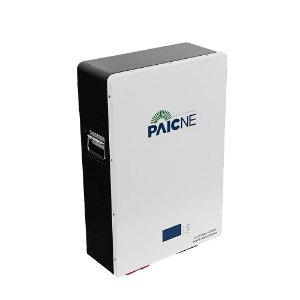
One of the critical risks associated with energy storage systems is thermal runaway. This phenomenon occurs when a battery cell’s temperature rises uncontrollably, triggering chemical reactions that generate additional heat. Overheating can result from overcharging, excessive discharge currents, physical damage, or manufacturing defects. If unchecked, thermal runaway can cause fires or explosions. To prevent such incidents, high-quality systems incorporate robust thermal management solutions, including temperature sensors, cooling systems, and protective circuitry that disconnects the battery from the load if unsafe conditions are detected.
Electrical faults, including short circuits, overvoltage, or improper wiring, are another significant hazard. A short circuit can cause rapid current flow, generating heat that may damage the battery and surrounding components. Overvoltage situations, such as those caused by malfunctioning inverters or unstable grid connections, can also stress the battery, increasing the risk of failure. Preventive measures include using circuit breakers, fuses, and battery management systems (BMS) that continuously monitor voltage, current, and state of charge to detect anomalies and isolate affected cells or modules before damage occurs.
Battery fires in home energy systems are often fueled by flammable electrolytes or other reactive materials inside the cells. Once ignited, these fires can be difficult to extinguish with conventional methods due to intense heat and the potential release of toxic gases. Reducing fire risks involves proper installation in well-ventilated areas, keeping flammable materials away from the battery, and adhering to manufacturer guidelines for spacing and housing. Fire suppression systems designed for lithium-ion batteries, such as inert gas or specialized extinguishing agents, can also provide an additional layer of protection.
Many safety incidents can be traced back to improper installation or inadequate maintenance. Systems installed without adherence to local electrical codes or by unqualified personnel are more prone to electrical failures. Regular inspections, firmware updates for battery management systems, and periodic checks of cell temperatures, connections, and enclosures help ensure continued safe operation. Homeowners should also be aware of environmental factors, such as exposure to high ambient temperatures or moisture, which can exacerbate risks.
A Home Energy Storage System can deliver significant benefits, but safety risks such as thermal runaway, electrical faults, and fires cannot be ignored. Effective prevention relies on a combination of high-quality equipment, proper installation, continuous monitoring, and proactive maintenance. By understanding the potential hazards and implementing protective measures, homeowners can enjoy the advantages of energy independence while reducing the likelihood of dangerous incidents. Awareness, careful planning, and adherence to safety guidelines are the cornerstones of reliable and safe energy storage in residential settings.
Get to know quickly
We are a professional lithium iron phosphate battery, solar energy storage system, industrial and commercial energy storage system manufacturer.
 +86-133 3592 3377
 +86-4008833583
 Email: [email protected]

Copyright © Zhejiang Paichen Energy Storage Group Co., Ltd All Rights Reserved.

Battery Energy System Manufacturer