 English
 中文简体
中文简体Industry News

The performance of any energy storage system begins with its battery chemistry. Lithium iron phosphate (LFP) cells are increasingly adopted due to their thermal stability and structural strength. Compared with other lithium-based options, LFP cells are less prone to overheating under stress conditions.
An experienced energy storage system factory tends to prioritize LFP not only for safety but also for lifecycle consistency. With stable charge-discharge behavior, a well-designed energy storage system using LFP cells can maintain performance across thousands of cycles. This reduces the probability of internal failure and supports more predictable long-term use.
In practical deployments, this means fewer unexpected shutdowns and lower replacement frequency, both of which are critical for users managing energy costs.
A modern energy storage system depends heavily on its Battery Management System (BMS). Acting as the control center, the BMS provides that every cell operates within defined parameters.
A well-developed BMS in an energy storage system typically includes:
When abnormal conditions are detected, the system responds immediately. For example, if the voltage exceeds limits during charging, the energy storage system stops input to avoid stress on the cells. Similarly, during discharge, the system prevents deep depletion that could shorten battery life.
From an energy storage system factory standpoint, BMS development is not just about protection, but also about precision. Accurate data collection allows the energy storage system to operate closer to its suitable range without crossing safety thresholds.
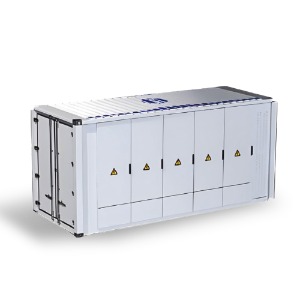
In multi-cell configurations, slight differences between cells can accumulate over time. Without intervention, these variations can affect overall capacity and efficiency.
To address this, each advanced energy storage system integrates balancing functions. These may include passive balancing, where excess energy is dissipated, or active balancing, where energy is redistributed among cells.
This process provides that no single cell consistently operates outside the average range. For an energy storage system factory, integrating effective balancing is essential to maintaining consistency across large battery packs.
A balanced energy storage system tends to show slower degradation and more stable output, especially in applications with frequent cycling, such as solar energy storage.
Temperature control plays a central role in maintaining the health of an energy storage system. Heat buildup during operation can accelerate wear, while low temperatures may reduce efficiency.
To manage this, systems often include:
A well-designed energy storage system maintains internal temperatures within a moderate range, helping to stabilize performance under varying loads.
In addition, physical protection is equally important. A durable enclosure protects the energy storage system from vibration, dust, and moisture. Many designs follow standardized protection ratings to reduce environmental impact risks.
From the viewpoint of an energy storage system factory, combining thermal control with structural strength creates a more resilient product that can adapt to different installation environments.
An energy storage system operates as a complete unit, not just a collection of parts. The interaction between battery cells, BMS, cooling systems, and enclosure design determines the overall reliability.
Rather than relying on a single protective feature, manufacturers focus on layered safeguards. This integrated approach allows the energy storage system to respond to issues before they escalate.
For buyers, evaluating an energy storage system involves looking beyond specifications. Understanding how the system manages voltage, temperature, and cell consistency provides a clearer picture of its long-term performance.
A dependable energy storage system is built through coordinated design rather than isolated improvements. From stable battery chemistry to responsive BMS functions, and from balancing mechanisms to thermal management, each layer contributes to reducing battery damage risks.
An experienced energy storage system factory approaches these elements as part of a unified engineering process. For users in residential or commercial sectors, selecting a well-structured energy storage system can support stable operation, controlled maintenance costs, and consistent energy output over time.
Get to know quickly
We are a professional lithium iron phosphate battery, solar energy storage system, industrial and commercial energy storage system manufacturer.
 +86-133 3592 3377
 +86-4008833583
 Email: [email protected]

Copyright © Zhejiang Paichen Energy Storage Group Co., Ltd All Rights Reserved.

Battery Energy System Manufacturer