 English
 中文简体
中文简体Industry News

With the growing use of Lithium Iron Phosphate Battery Factory products in electric vehicles, renewable energy storage, and portable electronics, ensuring long-term performance is critical. Users increasingly seek ways to extend the cycle life and maintain the capacity of these batteries. Proper handling, charging habits, and storage practices can significantly influence the durability and efficiency of Lithium Iron Phosphate (LiFePO₄) batteries, ensuring both safety and cost-effectiveness over time.
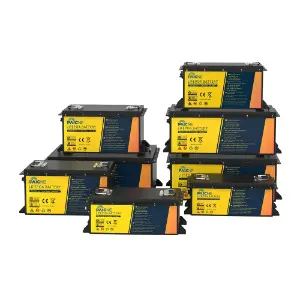
Charging strategy is one of the important factors affecting battery lifespan. Avoiding overcharging and deep discharging is essential, as states of charge can stress the battery and reduce cycle life. Maintaining a charge level between 20% and 80% is often recommended for daily use. Using chargers with precise voltage and current control designed for LiFePO₄ chemistry helps prevent thermal stress and voltage spikes that can degrade the battery. Fast charging should be used cautiously, as excessive heat and high current rates can accelerate capacity loss.
Temperature plays a significant role in Lithium Iron Phosphate Battery performance and longevity. High temperatures can increase chemical reactions inside the cell, causing capacity fade, while low temperatures can temporarily reduce available capacity. It is important to avoid exposing the battery to heat or cold during charging or operation. Installing thermal management systems in battery packs, particularly for electric vehicles or stationary storage systems, helps maintain suitable temperatures and prolongs cycle life.
When storing LiFePO₄ batteries for extended periods, maintaining the correct state of charge is crucial. Storing batteries at full charge or fully discharged can shorten lifespan, whereas a partial charge—around 50%—is ideal for long-term storage. Batteries should be kept in a cool, dry environment with temperature fluctuations. Periodic monitoring and topping up the charge if necessary prevent deep self-discharge and ensure that the battery retains its capacity over months or years.
Physical stress, vibration, or improper handling can damage the internal structure of Lithium Iron Phosphate batteries. Users should ensure that battery packs are securely mounted and protected from shocks. Electrical stress, including sudden high-current draws or repeated deep cycling, can also reduce cycle life. Designing systems with appropriate current limits, protective circuitry, and balance management helps reduce stress and maintain consistent performance.
Regular monitoring of battery voltage, temperature, and state of charge can help identify potential issues before they impact lifespan. Battery management systems (BMS) are particularly useful for managing charge cycles, balancing cells, and preventing overvoltage or undervoltage conditions. Keeping the BMS firmware updated and ensuring proper calibration enhances overall battery longevity and ensures that the battery operates within safe parameters throughout its life.
Extending the cycle life and capacity retention of a Lithium Iron Phosphate Battery Factory product requires careful attention to charging practices, temperature management, storage, mechanical handling, and ongoing monitoring. By implementing these strategies, users can reduce degradation, improve reliability, and improve the total usable life of their batteries. Proper care not only ensures better performance but also enhances safety and reduces long-term costs, making LiFePO₄ batteries a sustainable and effective energy solution for a wide range of applications.
Get to know quickly
We are a professional lithium iron phosphate battery, solar energy storage system, industrial and commercial energy storage system manufacturer.
 +86-133 3592 3377
 +86-4008833583
 Email: [email protected]

Copyright © Zhejiang Paichen Energy Storage Group Co., Ltd All Rights Reserved.

Battery Energy System Manufacturer