 English
 中文简体
中文简体Industry News

Industrial electricity costs rarely stay stable anymore. Many manufacturers now face higher afternoon rates, seasonal demand charges, and unexpected grid pressure during the summer months. Because of this, commercial battery storage is becoming part of a long-term operating strategy rather than a temporary experiment.
One technology drawing attention is the liquid-cooled energy storage system. Compared with conventional air-cooled battery cabinets, liquid cooling controls internal temperature more evenly during charging and discharging. That difference becomes noticeable in factories running equipment throughout the day.
For businesses using solar panels or time-of-use electricity pricing, storage systems can help shift energy use away from expensive peak periods.
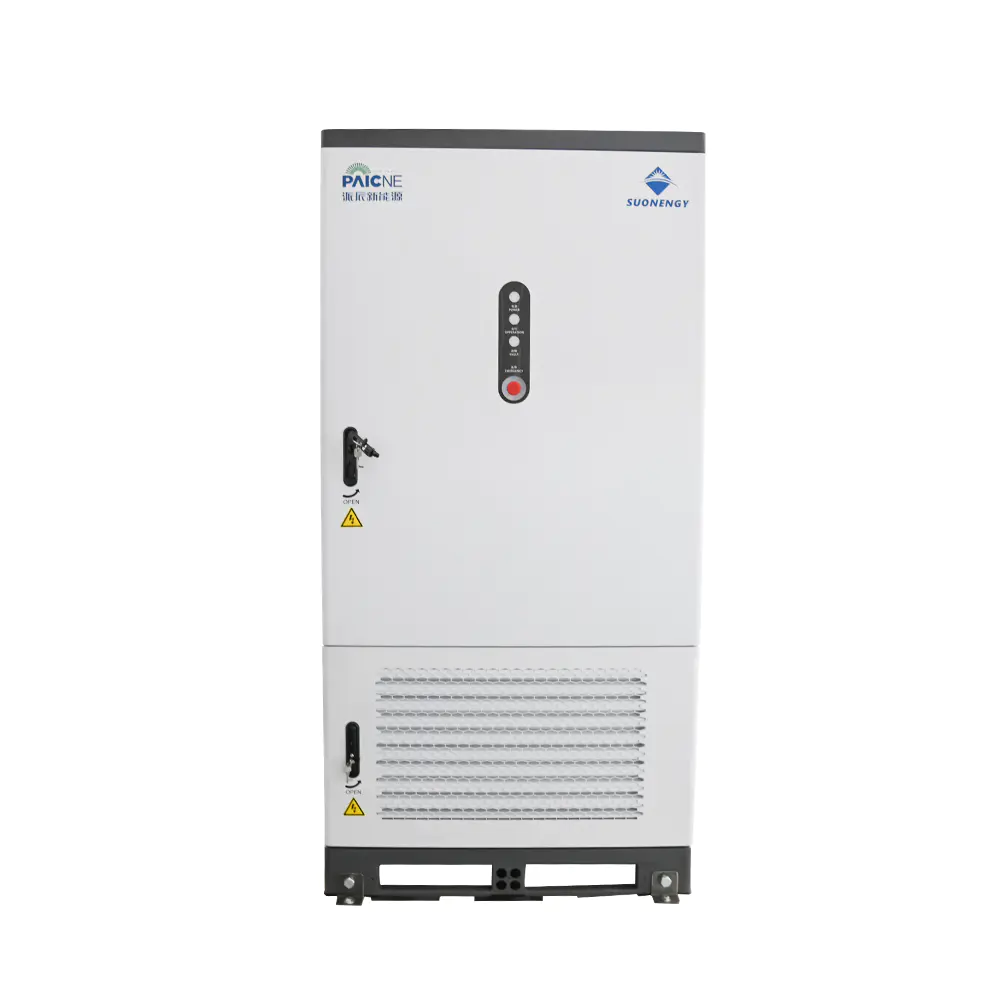
A liquid-cooled energy storage system removes heat through circulating coolant instead of relying mainly on airflow. Inside the cabinet, coolant moves across cooling plates connected to the battery modules, carrying heat away before temperatures rise too far.
In smaller battery projects, fan cooling may still work well enough. But larger industrial systems generate much more heat, especially during repeated cycling. Uneven temperatures can slowly affect battery consistency and operating life.
This is one reason many outdoor commercial battery cabinets now use liquid cooling technology. A liquid-cooled energy storage system generally keeps battery temperatures more balanced, even during high summer temperatures or continuous operation.
For factories working double shifts or logistics centers running overnight equipment, stable thermal control matters more than many buyers initially expect.
Commercial storage projects are no longer limited to utility companies. Medium-sized businesses are also installing battery systems to improve energy flexibility and lower operating costs.
Typical applications include:
A liquid-cooled energy storage system is often chosen for these applications because it handles daily cycling more effectively than many traditional air-cooled designs.
For example, a warehouse may charge batteries overnight when rates are lower, then discharge stored power during afternoon demand peaks. In regions with aggressive time-of-use pricing, that operating pattern can noticeably reduce monthly electricity bills.
Before purchasing commercial battery storage, many buyers compare cooling structures because cooling directly affects battery performance over time.
|
Feature |
Air-Cooled Storage |
Liquid-Cooled Storage |
|
Cooling method |
Fan ventilation |
Coolant circulation |
|
Temperature consistency |
Moderate |
More stable |
|
Performance in hot weather |
Limited |
Better thermal control |
|
Operating noise |
Higher fan noise |
Lower overall noise |
|
Daily cycling capability |
Standard |
Better for frequent cycling |
|
Typical project size |
Small to medium |
Commercial and industrial |
The purchase price of a liquid-cooled energy storage system is usually higher at the beginning, but many businesses focus more on long-term operating stability and maintenance costs.
Not every storage supplier provides the same system quality. Before choosing a liquid-cooled energy storage system, businesses should pay attention to technical specifications rather than comparing capacity alone.
Several areas deserve careful review:
Remote monitoring is another growing requirement. Many facility managers want to monitor battery temperature, charging activity, and power output from a central control system.
A reliable liquid-cooled energy storage system should support communication protocols commonly used in industrial energy management.
Some businesses focus only on installation cost during the purchasing stage. In practice, operating life often has a much larger financial impact over several years.
A liquid-cooled energy storage system can maintain more stable temperatures during repeated charging cycles, which may help reduce long-term battery degradation. For facilities operating every day, that difference becomes increasingly important over time.
Industries frequently investing in commercial battery storage include:
As commercial electricity demand continues rising, more companies are looking for practical ways to improve energy efficiency without depending entirely on the grid.
Battery storage systems are becoming larger, and larger systems naturally create more thermal pressure during operation. Because of that, cooling design is now one of the key factors affecting battery reliability and lifespan.
A liquid-cooled energy storage system offers stable temperature management, quieter operation, and better support for daily commercial cycling. For factories, shopping centers, and industrial parks trying to reduce peak electricity costs while improving energy resilience, the technology is becoming an increasingly practical option in the commercial energy storage market.
Get to know quickly
We are a professional lithium iron phosphate battery, solar energy storage system, industrial and commercial energy storage system manufacturer.
 +86-133 3592 3377
 +86-4008833583
 Email: [email protected]

Copyright © Zhejiang Paichen Energy Storage Group Co., Ltd All Rights Reserved.

Battery Energy System Manufacturer