 English
 中文简体
中文简体Industry News

Homeowners who already use solar panels are starting to pay more attention to where their electricity goes after sunset. In many regions, daytime solar production is strong, but evening electricity prices remain high. Because of that, residential battery storage is becoming part of normal home energy planning rather than a niche upgrade.
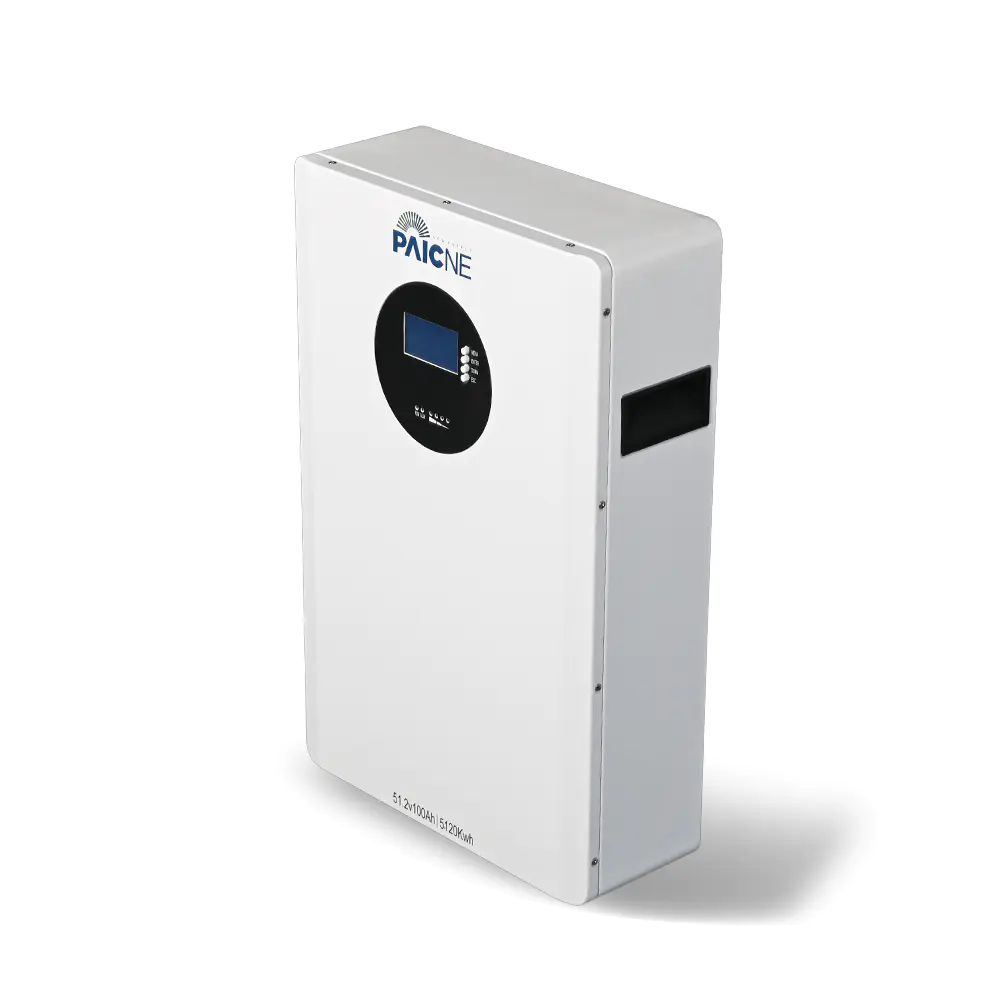
One product receiving more attention is the wall mount Lifepo4 battery. Compared with older lead-acid systems or bulky floor-standing battery cabinets, wall-mounted lithium iron phosphate batteries take up less space and are easier to expand later.
For families with limited garage or utility room space, that practical difference matters more than many installers expected a few years ago.
A wall mount Lifepo4 battery stores electricity generated by solar panels or supplied by the grid during off-peak hours. The battery then releases that stored energy when household demand increases or when solar production drops in the evening.
LiFePO4 chemistry is widely used in residential solar battery systems because it offers stable thermal performance and long cycle life. Compared with many traditional battery types, lithium iron phosphate technology is generally considered more suitable for daily charging and discharging.
Many modern wall mount Lifepo4 battery systems include a built-in BMS, communication interfaces, and real-time monitoring displays. These features allow the battery to communicate directly with mainstream solar inverters and energy management systems.
Because the units mount directly on the wall, homeowners can keep floor space available for vehicles, storage shelves, or workshop equipment.
Residential storage needs vary from one household to another. Some owners mainly want backup power during outages, while others focus on reducing peak electricity costs.
Common applications include:
A wall mount Lifepo4 battery is often chosen for these situations because the modular structure allows homeowners to increase storage capacity gradually instead of replacing the entire system later.
For example, some families begin with a 5kWh setup and expand as electricity usage increases or as additional solar panels are installed.
Before purchasing home battery storage, many buyers compare installation style as carefully as battery capacity.
|
Feature |
Floor-Standing Battery |
Wall Mount LiFePO4 Battery |
|
Installation position |
Floor placement |
Wall-mounted |
|
Space usage |
Takes floor space |
Saves floor space |
|
Flood exposure |
Higher |
Lower |
|
Expansion flexibility |
Moderate |
Easier modular expansion |
|
Visual appearance |
Larger cabinet |
Slimmer profile |
|
Typical residential use |
Utility rooms |
Garages and compact spaces |
For many homeowners, a wall mount Lifepo4 battery feels easier to integrate into existing spaces without major room changes.
Not every residential battery system offers the same compatibility or long-term reliability. Before selecting a wall mount Lifepo4 battery, homeowners should review several practical details carefully.
Important points include:
Wall strength and installation location also matter. A fully loaded wall mount Lifepo4 battery can be heavy, so installers usually recommend reinforced mounting positions and proper ventilation around the unit.
Remote monitoring has also become increasingly popular. Many users now prefer systems that allow battery status checks through mobile apps or inverter platforms.
Residential electricity prices continue rising in many parts of the world, especially during evening peak periods. Because of this, homeowners are starting to evaluate battery systems based on long-term operating value rather than only purchase cost.
A wall mount Lifepo4 battery is designed for repeated daily cycling, which helps support long service life in residential solar applications. For homes using stored solar energy every evening, battery durability becomes an important financial factor over time.
Households commonly investing in residential storage include:
As residential solar adoption continues growing, storage systems are becoming a more common part of complete home energy setups.
Modern homeowners often want energy equipment that works quietly, fits cleanly into existing spaces, and requires limited daily attention. That shift is one reason the wall mount Lifepo4 battery market continues expanding.
Compared with older residential battery designs, wall-mounted LiFePO4 systems offer better space efficiency, modular expansion, and compatibility with modern solar inverters. For homeowners looking to improve energy independence while keeping installation practical, a wall mount Lifepo4 battery has become an increasingly popular option in today’s residential solar storage market.
Get to know quickly
We are a professional lithium iron phosphate battery, solar energy storage system, industrial and commercial energy storage system manufacturer.
 +86-133 3592 3377
 +86-4008833583
 Email: [email protected]

Copyright © Zhejiang Paichen Energy Storage Group Co., Ltd All Rights Reserved.

Battery Energy System Manufacturer