 English
 中文简体
中文简体Industry News

A Lithium Ion Battery is widely used in portable electronics, electric vehicles, and energy storage systems due to its high energy density and long cycle life. However, like all rechargeable batteries, it experiences self-discharge, which is the gradual loss of charge even when the battery is not connected to a load. Understanding the causes, effects, and mitigation strategies for self-discharge is essential to maintain battery performance and longevity.
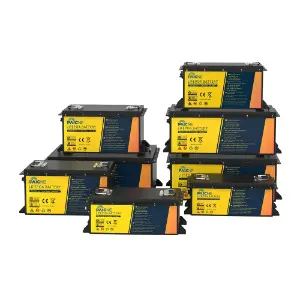
Self-discharge in Lithium Ion Batteries occurs due to chemical and electrochemical reactions inside the cell. Minor side reactions at the electrode-electrolyte interface can slowly consume lithium ions, reducing the state of charge over time. Impurities in electrode materials, electrolyte decomposition, and micro short circuits within the cell can all accelerate this process. While the self-discharge rate of lithium-ion cells is generally lower than that of nickel-based batteries, it becomes significant during long-term storage or in high-temperature environments.
Temperature is one of the important factors influencing self-discharge. Higher temperatures increase the rate of chemical reactions, causing faster capacity loss. Battery age also contributes, as repeated cycling and material degradation can create more sites for parasitic reactions. Storage voltage plays a role as well; fully charged cells tend to self-discharge faster than cells stored at a partial state of charge. Additionally, the quality of the cell manufacturing process, including the purity of materials and electrode coating uniformity, affects the rate of self-discharge.
Although self-discharge is gradual, it can affect the performance of devices that rely on stored energy. For electric vehicles, prolonged self-discharge can reduce available driving range if the battery is left unused for weeks or months. In consumer electronics, high self-discharge rates can cause unexpected device shutdowns and reduced battery lifespan. Managing self-discharge is therefore crucial for both reliability and safety.
Several strategies can help reduce self-discharge in Lithium-Ion Batteries. Storing batteries at a cool, stable temperature reduces the rate of side reactions and slows capacity loss. Maintaining batteries at a partial charge, typically around 40–60%, instead of a full charge, can also reduce chemical stress and decrease self-discharge. High-quality batteries from reputable manufacturers usually include optimized electrode materials and electrolyte formulations that inherently reduce self-discharge. For long-term storage, some users employ periodic recharge cycles to restore capacity without overcharging the battery.
Battery designers incorporate various features to combat self-discharge. Improved separator materials, stable electrolyte additives, and precision electrode fabrication reduce unwanted chemical reactions. Battery management systems (BMS) can monitor voltage and temperature, automatically adjusting storage and charging conditions to slow self-discharge. These measures collectively enhance battery reliability, especially in high-performance and long-duration applications.
Lithium-ion batteries do exhibit self-discharge, which results from minor chemical and electrochemical reactions within the cell. Temperature, state of charge, battery age, and material quality all influence the rate of capacity loss. By storing batteries at suitable conditions, using partial charge for long-term storage, and choosing high-quality cells, users can effectively reduce self-discharge and maintain battery performance over time. Awareness and proper handling of this phenomenon are essential to improve the efficiency, reliability, and lifespan of lithium-ion energy storage systems.
Get to know quickly
We are a professional lithium iron phosphate battery, solar energy storage system, industrial and commercial energy storage system manufacturer.
 +86-133 3592 3377
 +86-4008833583
 Email: [email protected]

Copyright © Zhejiang Paichen Energy Storage Group Co., Ltd All Rights Reserved.

Battery Energy System Manufacturer