 English
 中文简体
中文简体Industry News

A Home Energy Storage System has become an essential solution for households seeking energy independence, backup power, and integration with renewable energy sources such as solar panels. While these systems are designed to store and deliver electricity efficiently, their performance can be influenced by environmental conditions. Understanding how different seasons and temperature variations affect a Home Energy Storage System helps users optimize usage and maintain battery longevity. Choosing systems from a reliable Home Energy Storage System Factory ensures consistent quality and thermal management features.
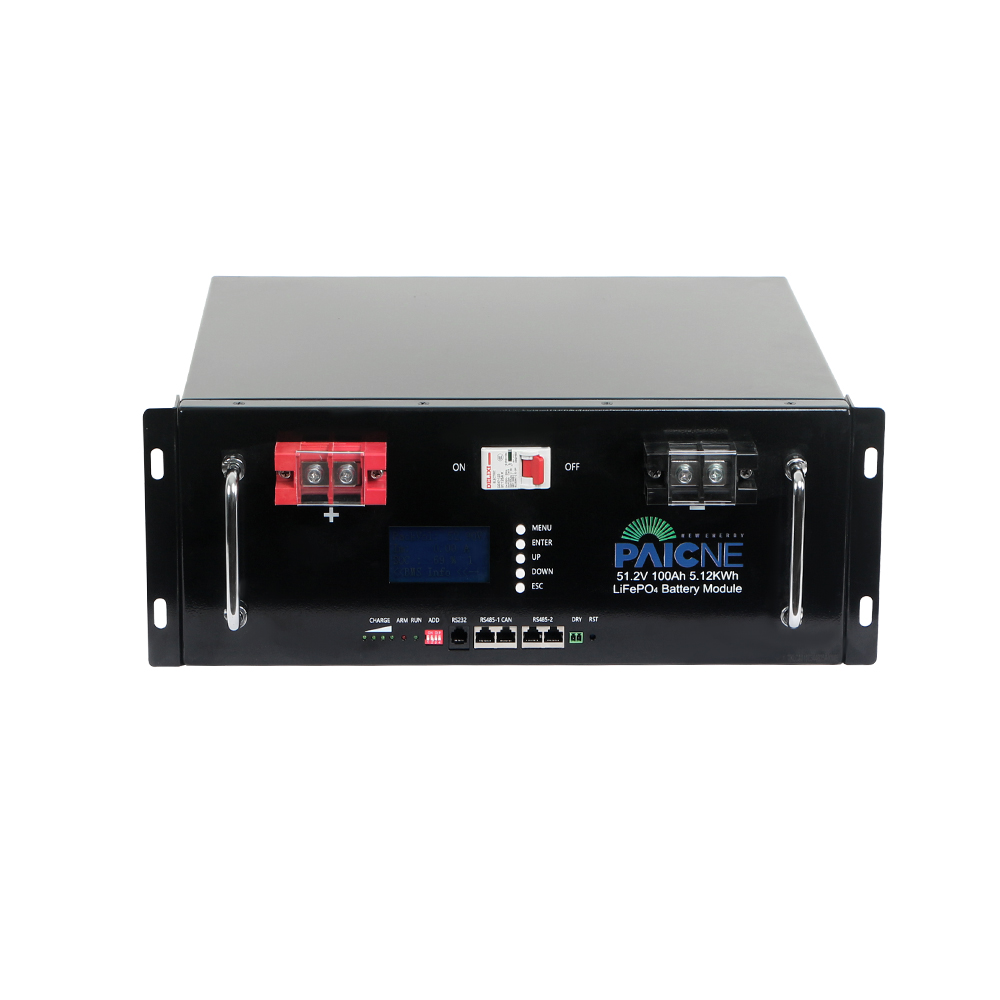
Temperature is one of the critical factors affecting the performance of a Home Energy Storage System. Lithium-based batteries, which are commonly used in modern storage systems, operate within a specific temperature range, usually between 20°C and 25°C (68°F to 77°F). At lower temperatures, chemical reactions within the battery slow down, reducing charging efficiency and available capacity. Conversely, high temperatures accelerate chemical activity, which may temporarily increase output but can also accelerate capacity degradation and shorten the battery’s overall lifespan. Proper thermal management, such as built-in heating or cooling systems provided by a reputable Home Energy Storage System Factory, helps mitigate these effects.
Seasonal changes, including ambient temperature fluctuations and humidity levels, can impact the energy storage system’s efficiency. During winter, low temperatures may reduce the system’s effective capacity, requiring more frequent charging or longer charging times. In summer, excessive heat can trigger battery management systems to limit charging or discharging rates to prevent overheating. Some systems are equipped with insulation or climate-controlled enclosures to maintain consistent performance across all seasons. Users should consider these features when selecting a Home Energy Storage System, especially in regions with bad weather conditions.
The type of battery chemistry in a Home Energy Storage System also affects its tolerance to temperature variations. Lithium Iron Phosphate (LiFePO₄) batteries, for example, are known for their thermal stability and longer cycle life compared to conventional lithium-ion batteries. These batteries maintain more consistent capacity under temperature extremes, making them well-suited for areas with wide seasonal temperature swings. Proper design and high-quality manufacturing from a trusted Home Energy Storage System Factory further enhance reliability under diverse environmental conditions.
To maintain suitable performance across seasons, users should monitor the system’s operating temperature and avoid placing batteries in direct sunlight or poorly ventilated spaces. Using insulated enclosures or climate-controlled storage areas can prevent performance drops during bad weather. Additionally, regular maintenance and monitoring through smart energy management systems can help detect anomalies caused by temperature stress and ensure efficient operation throughout the year.
The performance of a Home Energy Storage System is influenced significantly by seasonal changes and temperature variations. Cold temperatures may reduce effective capacity, while high temperatures can accelerate degradation if not properly managed. Choosing a system with advanced thermal management, high-quality battery chemistry, and support from a reputable Home Energy Storage System Factory ensures reliable energy storage throughout the year. By understanding environmental impacts and implementing proper care, users can improve efficiency, prolong battery life, and enjoy an uninterrupted energy supply in any season.
Get to know quickly
We are a professional lithium iron phosphate battery, solar energy storage system, industrial and commercial energy storage system manufacturer.
 +86-133 3592 3377
 +86-4008833583
 Email: [email protected]

Copyright © Zhejiang Paichen Energy Storage Group Co., Ltd All Rights Reserved.

Battery Energy System Manufacturer