 English
 中文简体
中文简体Industry News

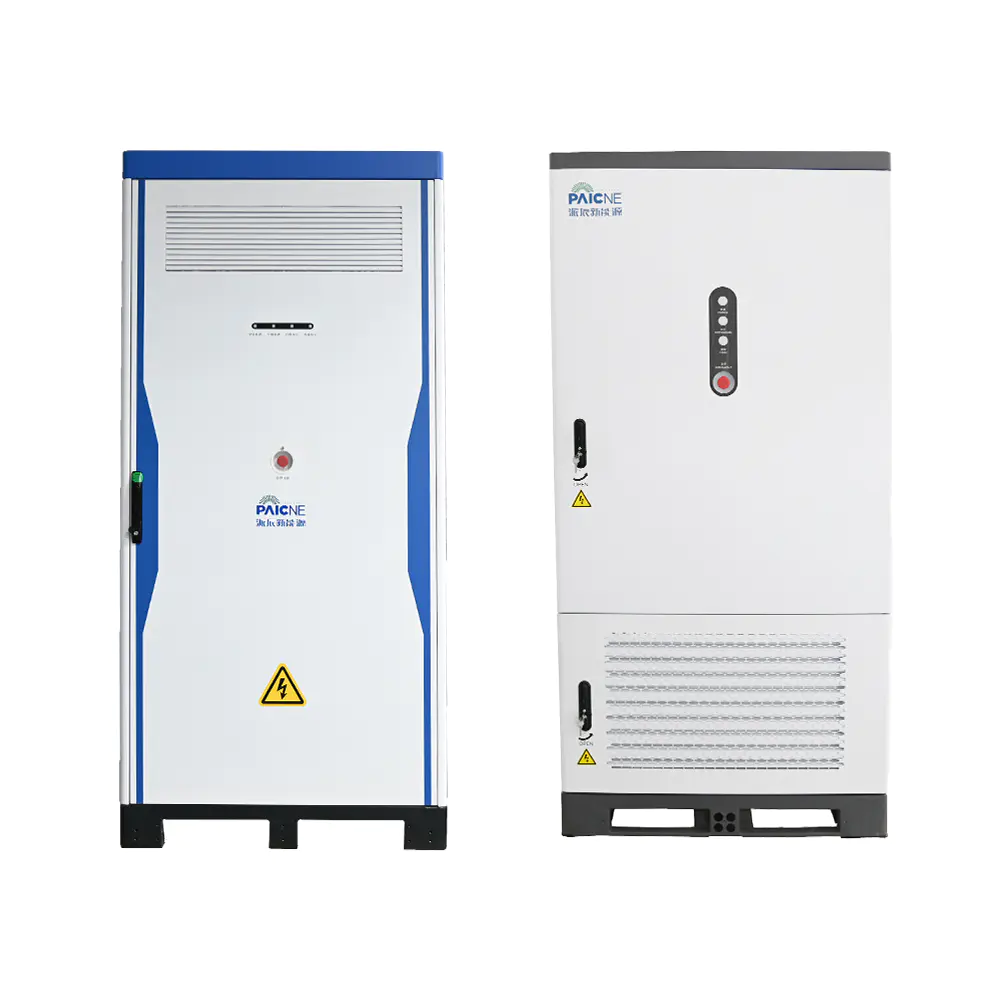
In commercial sites, energy storage systems are often running in the background all day without much attention until something changes in performance. A business energy storage systems setup is usually expected to work quietly for years, but in reality, its service life is strongly influenced by how it is operated rather than just how it is built.
Most systems used in factories, shops, and commercial buildings are lithium-based. That means internal temperature, charging habits, and load patterns all gradually affect how long the system stays stable in daily use.
Operating temperature plays a steady role
One of the noticeable factors is temperature control. In many installations, batteries are placed in equipment rooms, basements, or outdoor cabinets. These environments can change throughout the day.
A business energy storage systems unit tends to perform more consistently when the internal temperature stays within a controlled range. When the system repeatedly runs in hot conditions, internal aging tends to speed up over time.
In real projects, airflow design and ventilation spacing often matter more than people expect at the beginning of installation.
Charging and discharging habits are often overlooked
Commercial storage systems are rarely used in a single fixed pattern. Some sites discharge during peak hours; others switch modes depending on electricity pricing or backup demand.
If a business energy storage systems unit is frequently pushed into deep discharge cycles, the internal cells experience more stress. On the other hand, very shallow cycles repeated too often can also affect long-term balance between modules.
Many operators adjust usage patterns gradually after observing how the system behaves in the few months of operation rather than following a fixed rule.
Maintenance is usually simple but easy to ignore
Routine checks are not complex, but they are often delayed in real operational environments. Dust accumulation, loose connectors, or minor communication faults can stay unnoticed if monitoring is not reviewed regularly.
A business energy storage systems installation usually includes a battery management system, which helps track voltage and temperature conditions. Even so, manual inspection still plays a role in catching early signs that software monitoring may not highlight immediately.
In some facilities, cleaning schedules are aligned with general electrical maintenance routines instead of treating storage systems separately.
System balancing affects long-term stability
Inside a commercial storage setup, multiple battery modules work together. Over time, small differences between modules can appear due to usage variation or temperature differences.
When imbalance grows, some modules may carry slightly more load than others. This uneven condition can gradually affect overall system performance.
For a business energy storage systems setup, periodic balancing and calibration are often used to keep modules working in a similar range. This does not change the system immediately, but it helps reduce uneven wear during long-term operation.
The installation environment is more important than it looks
Where the system is placed often has a direct impact on lifespan. Indoor installations usually offer more stable conditions, while outdoor or semi-outdoor setups face more variation.
Humidity, dust levels, and ventilation conditions all influence how components age over time. Even cable routing and cabinet spacing can affect heat buildup.
In many projects, a business energy storage systems unit installed in a well-ventilated space tends to show more stable behavior compared with systems placed in tightly enclosed areas.
Load stability influences wear over time
Not all commercial systems operate under steady demand. Some run predictable daily cycles, while others respond to sudden changes in load.
Frequent switching between charging and discharging states can increase internal stress. This does not cause immediate issues, but over long periods it can influence overall battery consistency.
Operators often observe that smoother load profiles tend to result in more stable long-term performance for a business energy storage systems installation.
Practical habits that extend system use time
In real applications, extending service life is less about single actions and more about consistent operation habits:
These habits are usually simple to apply but have a gradual effect on system condition over time.
Overall view of long-term operation
A business energy storage system unit does not age in a single visible step. It changes slowly based on how it is used, where it is installed, and how often it is maintained.
In real projects, systems that run under stable conditions with regular attention tend to stay consistent for longer periods, while systems exposed to irregular load or poor ventilation often show earlier performance variation.
This makes long-term operation less about a single technical adjustment and more about how the system is managed throughout its daily working cycle.
Get to know quickly
We are a professional lithium iron phosphate battery, solar energy storage system, industrial and commercial energy storage system manufacturer.
 +86-133 3592 3377
 +86-4008833583
 Email: [email protected]

Copyright © Zhejiang Paichen Energy Storage Group Co., Ltd All Rights Reserved.

Battery Energy System Manufacturer