 English
 中文简体
中文简体Industry News

Commercial and industrial energy storage is increasingly being discussed alongside another term that rarely appeared in business meetings a few years ago: the load curve.
Traditionally, many companies focused on one number at the end of each month—the total electricity consumed. Today, energy managers are asking a different question: At what time is that electricity actually being used? As a result, commercial and industrial energy storage is becoming part of a broader discussion about matching battery operation with changing electrical demand rather than simply reducing overall consumption.
Twenty-Four Hours Can Look Completely Different
Two factories may report similar monthly electricity usage while operating in very different ways.
One production line may run continuously throughout the day and night.
Another facility may remain relatively quiet until several large machines start operating at the same time each morning. Within a few minutes, electrical demand rises sharply before gradually returning to a lower level.
Looking only at monthly consumption hides these differences.
A load curve reveals them immediately.
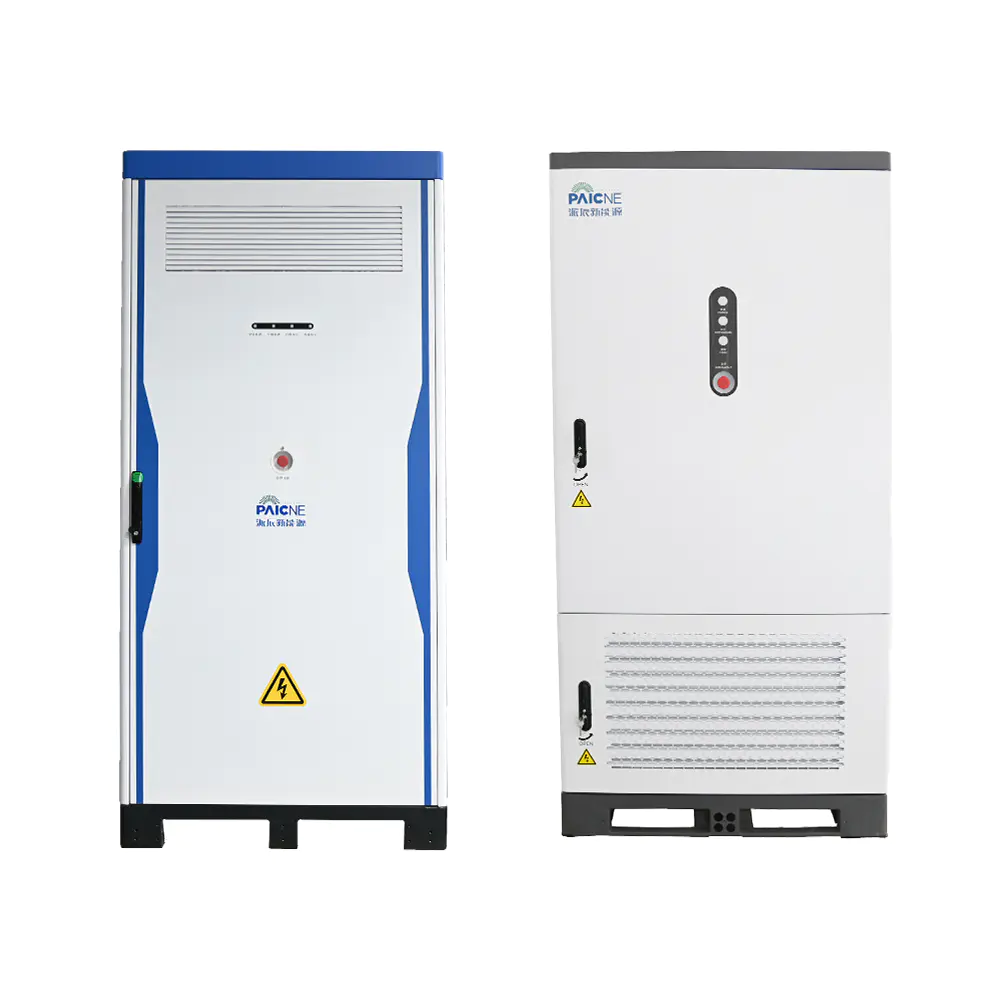
For this reason, engineers planning commercial and industrial energy storage projects increasingly begin with hourly demand data instead of monthly utility reports.
Short Demand Peaks Often Receive More Attention
Not every increase in electricity demand lasts for hours.
Some peaks exist for only a short period.
Large air compressors, injection molding machines, refrigeration equipment, or HVAC systems may start within a similar time window, briefly increasing facility demand before stabilising again.
Although these events occupy only a small part of the day, they may have a noticeable influence on electricity costs.
Because of this, commercial and industrial energy storage is often evaluated according to whether battery discharge can coincide with those temporary peaks rather than remaining fixed throughout the day.
The timing can matter as much as the energy itself.
Production Schedules Keep Changing
Modern factories rarely operate with identical schedules every week.
Customer orders fluctuate.
Maintenance shutdowns interrupt production.
Additional shifts may be introduced during busy periods.
All of these changes reshape the facility's load curve.
As operating patterns evolve, the charging and discharging strategy of commercial and industrial energy storage may also require adjustment. A battery schedule that performed well last month may no longer match today's production timetable.
This is why many energy management systems now analyse operating data continuously instead of relying on fixed battery schedules established during installation.
Buildings Have Load Curves Too
Load curve analysis is not limited to manufacturing.
Commercial buildings experience changing demand throughout the day as well.
Office occupancy increases during working hours.
Cooling systems respond to afternoon temperatures.
Elevators, lighting, ventilation, and other building services contribute to demand that changes from morning to evening.
For many commercial facilities, commercial and industrial energy storage is becoming part of a strategy that follows these daily demand patterns rather than operating according to a single preset timetable.
Understanding how the building consumes electricity is often the sooner step.
More Companies Are Watching Daily Data
Energy reports have traditionally summarised monthly performance.
That approach is beginning to change.
Many facility managers now review demand profiles that display electricity use across an entire day.
Instead of concentrating only on total consumption, these observations help determine how commercial and industrial energy storage should respond to changing operating conditions.
The battery is becoming part of a dynamic energy management process rather than a standalone piece of equipment.
Load Curves Are Changing The Conversation
Engineers increasingly describe the load curve as a picture of how a facility actually operates.
Monthly electricity consumption shows how much energy has been used.
The load curve explains when and how that demand develops.
As businesses place greater emphasis on operational efficiency, commercial and industrial energy storage is being evaluated alongside production schedules, equipment startup sequences, seasonal HVAC demand, and other factors that shape daily electrical behaviour.
This shift reflects a broader trend in energy management. Rather than asking only how much electricity a business consumes, more companies are asking whether energy use occurs at the right time. That question is making load curve analysis one of the valuable tools in planning effective energy storage strategies.
Get to know quickly
We are a professional lithium iron phosphate battery, solar energy storage system, industrial and commercial energy storage system manufacturer.
 +86-133 3592 3377
 +86-4008833583
 Email: [email protected]

Copyright © Zhejiang Paichen Energy Storage Group Co., Ltd All Rights Reserved.

Battery Energy System Manufacturer