 English
 中文简体
中文简体Industry News

As the use of Lithium Ion Battery products continues to grow in smartphones, laptops, electric vehicles, and energy storage systems, proper recycling has become increasingly important. Improper disposal can cause environmental hazards, including soil and water contamination from toxic metals and flammable electrolytes. Responsible recycling practices not only prevent these dangers but also allow the recovery of valuable materials, reducing the need for new mining and promoting sustainability in the battery industry.
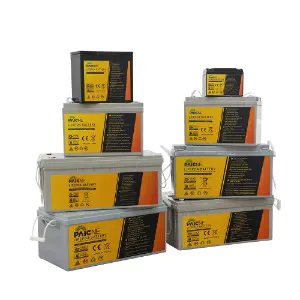
The one step in recycling is proper collection. Used batteries should be returned to certified recycling centers or take-back programs rather than being thrown into general waste. Once collected, batteries are sorted by chemistry, size, and condition to ensure efficient processing. Different lithium-ion chemistries require specific handling procedures to improve material recovery and reduce safety risks, making sorting a critical step in the recycling chain.
Before recycling, batteries must be safely discharged to reduce the risk of fire or explosion. Controlled discharge neutralizes residual energy, ensuring safe handling. Afterward, batteries are carefully disassembled to separate the casing, electrodes, separators, and electrolyte. Proper disassembly techniques, whether manual or automated, help recover high-value metals such as lithium, cobalt, nickel, and copper, while reducing exposure to hazardous substances. Worker safety and environmental protection are primary considerations during this stage.
Once disassembled, the battery components undergo recovery processes. Hydrometallurgical methods use chemical solutions to extract metals, offering high efficiency and low energy consumption. Pyrometallurgical techniques involve high-temperature processing to recover metals in metallic form, though they require more energy and emission control measures. Both methods aim to reclaim as much lithium, cobalt, nickel, and copper as possible. Recycling these metals reduces the demand for new mining operations and conserves finite natural resources.
Recycling Lithium-Ion Batteries delivers substantial environmental advantages. Extracting metals from used batteries avoids the ecological impact associated with mining, including habitat destruction and water contamination. Recycling also prevents hazardous chemicals from entering landfills, protecting soil and water quality. From a resource perspective, recovered metals can be reused in new battery production, decreasing dependence on raw materials and reducing energy consumption linked to extraction and processing. This circular approach supports sustainable industrial practices and contributes to long-term environmental stewardship.
Beyond environmental benefits, battery recycling has economic value. Recovered metals are high-demand commodities in the growing electronics and electric vehicle sectors. Efficient recycling helps stabilize supply chains for critical materials such as lithium and cobalt, reducing costs for manufacturers and mitigating supply shortages. Additionally, investing in recycling infrastructure creates jobs and stimulates innovation in waste management and materials recovery technologies.
Proper recycling of Lithium Ion Battery products is essential for environmental protection, resource conservation, and industry sustainability. From collection and sorting to safe discharge, disassembly, and material recovery, every step contributes to safety and efficiency. By supporting recycling programs and adopting responsible practices, consumers and industries can reduce environmental hazards, conserve valuable resources, and foster a more sustainable energy ecosystem. Widespread implementation of battery recycling is a crucial step toward a cleaner, greener future.
Get to know quickly
We are a professional lithium iron phosphate battery, solar energy storage system, industrial and commercial energy storage system manufacturer.
 +86-133 3592 3377
 +86-4008833583
 Email: [email protected]

Copyright © Zhejiang Paichen Energy Storage Group Co., Ltd All Rights Reserved.

Battery Energy System Manufacturer