 English
 中文简体
中文简体Industry News

The Lithium Iron Phosphate Battery has become a popular choice in energy storage systems, electric vehicles, and portable power devices due to its good safety, thermal stability, and long lifespan. Among the key concerns of users and engineers is whether the number of charge-discharge cycles affects the battery’s capacity over time. Understanding this relationship is essential for optimizing battery performance, planning replacements, and ensuring reliable operation in various applications. Selecting products from a reputable Lithium Iron Phosphate Battery Factory ensures quality and consistent performance.
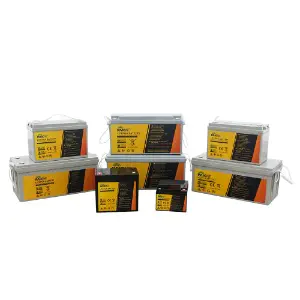
Cycle life is defined as the number of complete charge and discharge cycles a battery can undergo before its capacity drops below a certain threshold, usually 80% of the original capacity. Lithium Iron Phosphate batteries are known for their long cycle life, often exceeding 2,000 cycles under proper conditions. This advantage is largely due to the stable phosphate-based cathode structure, which resists the degradation that affects other lithium-ion chemistries. However, even these batteries experience gradual capacity decay as the number of cycles increases.
With each cycle, minor chemical and physical changes occur in the electrodes and electrolyte of a Lithium Iron Phosphate Battery. These changes can slightly reduce the amount of energy the battery can store. Initially, the capacity loss is minimal, and the battery retains its original performance for hundreds of cycles. As cycles accumulate, particularly beyond 1,000–2,000 cycles, the rate of capacity decline may become more noticeable. The battery’s design, materials, and manufacturing quality all play significant roles in determining how quickly this decay occurs.
Several factors affect how cycles impact battery capacity. The depth of discharge (DoD) is one of the important factors; batteries that are frequently discharged completely tend to degrade faster than those that undergo shallow discharges. Temperature is another critical factor—high operating temperatures accelerate chemical reactions that cause capacity loss, while extremely low temperatures can temporarily reduce performance. Proper charging practices, including avoiding overcharging and using compatible chargers, also help slow down capacity decline.
Good maintenance practices can significantly reduce the impact of cycle-induced capacity decay. Using a battery management system to monitor voltage, current, and temperature ensures the battery operates within safe limits. Avoiding deep discharges and bad temperature exposure preserves both capacity and cycle life. Periodic balancing of multi-cell packs ensures uniform stress distribution across cells, preventing accelerated degradation in any single cell. Following these practices helps maintain the efficiency and longevity of a Lithium Iron Phosphate Battery.
Understanding the effect of cycle count on capacity is crucial for planning applications such as electric vehicles, solar energy storage, and backup power systems. By estimating the expected capacity reduction over time, users can schedule maintenance, replacements, or system expansions more effectively. Selecting batteries from a reputable Lithium Iron Phosphate Battery Factory ensures higher quality materials, better construction, and slower capacity loss, which increases confidence in long-term performance.
The number of charge-discharge cycles does influence the capacity of Lithium Iron Phosphate batteries, but these batteries are designed to retain their performance over thousands of cycles. Factors such as depth of discharge, temperature, and maintenance practices play a crucial role in determining the rate of capacity decline. By following proper usage guidelines and choosing high-quality batteries from a trusted Lithium Iron Phosphate Battery Factory, users can ensure reliable, long-lasting energy storage with capacity loss over time.
Get to know quickly
We are a professional lithium iron phosphate battery, solar energy storage system, industrial and commercial energy storage system manufacturer.
 +86-133 3592 3377
 +86-4008833583
 Email: [email protected]

Copyright © Zhejiang Paichen Energy Storage Group Co., Ltd All Rights Reserved.

Battery Energy System Manufacturer