 English
 中文简体
中文简体Industry News

A commissioning engineer rarely judges a project by the hour of operation.
The equipment starts.
Indicators remain normal.
Fans begin running.
Nothing unusual appears.
Several days later, the observation becomes more detailed. Site logs begin recording ambient temperature, charging periods, discharge windows, and cooling activity. At this stage, the discussion around Liquid-Cooled Energy Storage System shifts away from installation and toward operating consistency.
For industrial facilities, another phrase often appears in maintenance records: thermal management system. It is usually mentioned alongside daily operating notes instead of technical specifications.
Temperature Changes Quietly Across The Cabinet
The outside of the enclosure may feel unchanged.
Inside, conditions continue moving.
Charging periods increase internal heat.
Discharging shifts it again.
Cooling responds.
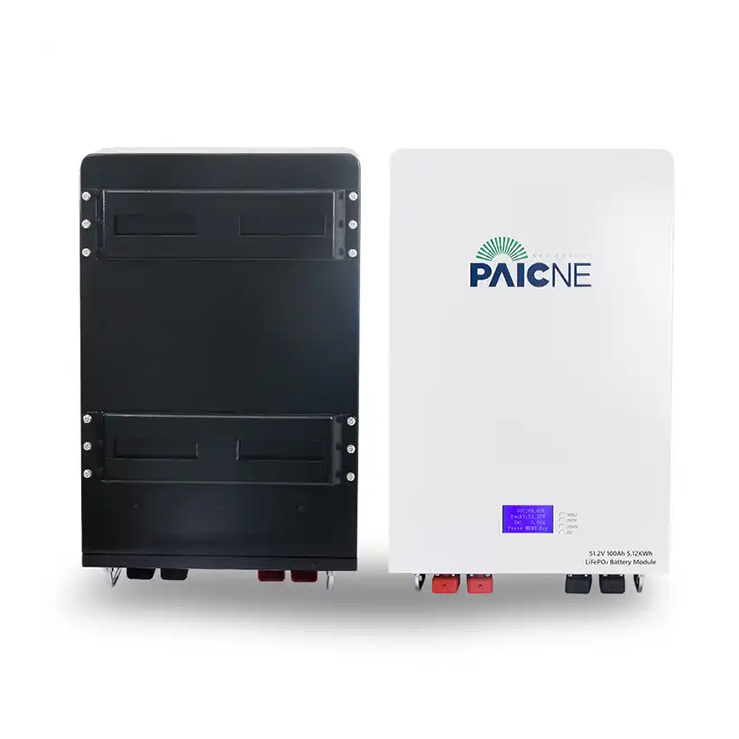
These changes happen throughout the day instead of all at once.
Commissioning staff often compare several inspection rounds before making any adjustment to a Liquid-Cooled Energy Storage System.
Operating Rhythm Matters More Than One Cycle
One charging session rarely explains long-term behavior.
Industrial users often follow similar schedules every day.
Morning demand.
Afternoon production.
Evening charging.
Weekend differences.
After several weeks, maintenance records begin showing whether the thermal management system follows these operating rhythms consistently.
Maintenance Notes Stay Surprisingly Simple
Inspection books are rarely filled with long technical descriptions.
Instead, short remarks appear.
"Cooling started earlier."
"Room temperature increased."
"Routine inspection completed."
"No abnormal sound."
The notes look ordinary.
Together, they describe how the Liquid-Cooled Energy Storage System behaves during continuous operation rather than under controlled testing.
Weather Changes Daily Operating Conditions
Outdoor temperature rarely remains stable.
Rain arrives.
Cloud cover reduces heat.
Afternoon sunlight reaches the equipment enclosure.
Although the control strategy remains unchanged, surrounding conditions continue changing.
Technicians therefore compare weather records with equipment logs before evaluating Liquid-Cooled Energy Storage System performance.
Airflow Around Equipment Is Also Observed
The cooling equipment works inside the cabinet.
The surrounding environment still matters.
Nearby walls.
Service corridors.
Other electrical equipment.
These affect how warm air moves around the installation area.
Site engineers sometimes spend several inspection visits observing airflow before recommending any modification to the thermal management system.
Inspection Routes Become Routine
Every facility develops its own inspection habits.
One technician begins with the electrical room.
Another checks outdoor equipment first.
Someone else reviews operating records before walking to the installation site.
Eventually the route becomes routine.
The Liquid-Cooled Energy Storage System is inspected at almost the same time each day, allowing operating conditions to be compared under similar circumstances.
Facility Managers Watch Operating Patterns
Unexpected shutdowns receive immediate attention.
Gradual changes attract quieter observation.
Cooling starts a little earlier.
Inspection intervals become slightly shorter.
Environmental conditions continue changing across the season.
These details often appear in maintenance meetings where thermal management system performance is discussed alongside production planning rather than as an isolated engineering topic.
Long-Term Operation Produces Better References
One operating day provides limited information.
One month begins showing patterns.
Several seasons reveal even more.
Maintenance teams often return to older inspection records instead of relying only on current measurements.
Each entry adds another small reference for understanding how a Liquid-Cooled Energy Storage System performs under everyday industrial conditions, while new operating notes continue to accumulate beside previous records without interrupting normal production activities.
Get to know quickly
We are a professional lithium iron phosphate battery, solar energy storage system, industrial and commercial energy storage system manufacturer.
 +86-133 3592 3377
 +86-4008833583
 Email: [email protected]

Copyright © Zhejiang Paichen Energy Storage Group Co., Ltd All Rights Reserved.

Battery Energy System Manufacturer